What Is Answer Engine Optimization (AEO)? A Practical Guide for 2026
Answer engine optimization (AEO) helps your brand get cited by Google AI Overviews, ChatGPT, Gemini and Perplexity. Learn what AEO is and how to apply it.
By IPrix Media Team, digital marketing agency in Udaipur

Answer engine optimization (AEO) is the practice of structuring your content so that search engines and AI assistants can extract a clear, trustworthy answer from it and cite your brand. Where classic SEO fights for a blue link, AEO fights to be the answer itself in Google AI Overviews, featured snippets, voice assistants, ChatGPT, Gemini and Perplexity.
Why AEO matters now
People increasingly ask full questions and expect one direct response. When an AI assistant answers, it pulls from a handful of sources. If your page is not one of them, you are invisible at the exact moment a buyer is deciding. The good news: most AEO work also improves classic SEO, so the effort compounds.
With the rise of AI-driven search experiences, the focus has shifted from simply ranking high to being the definitive source of information. This is crucial because AI assistants like Siri, Alexa, and Google Assistant often provide just one answer to user queries. If your content isn’t optimized for these platforms, you miss out on a significant opportunity to engage with potential customers.
How AEO differs from SEO
- SEO targets rankings and clicks across a results page.
- AEO targets being quoted or cited as the answer, often without a click.
- Shared foundation: technical health, helpful content, authority and trust signals.
While SEO aims to drive traffic to your site, AEO focuses on brand visibility and credibility. The goal is to be cited as a reliable source, which can lead to increased brand recognition and trust, even if it doesn’t immediately translate into clicks or visits.
The AEO checklist
1. Answer the question in the first sentence
Under every question-style heading, give a direct 40 to 60 word answer, then expand. Machines and busy humans both reward this “answer first” format.
For instance, if you’re addressing “How to improve website speed?”, start with a concise answer such as, “Improving website speed involves optimizing images, leveraging browser caching, and minimizing CSS and JavaScript files.” This approach helps both AI and human readers quickly grasp the main point before diving into the details.
2. Use question-based headings
Write H2 and H3 headings the way people actually ask: “How much does X cost?”, “What is the difference between X and Y?”. Pair each with a concise answer.
This method aligns your content with user intent, making it more likely to be selected by AI for direct answers. It also enhances user experience by making your content more scannable and accessible.
3. Add FAQ sections with FAQPage schema
A short FAQ at the bottom of key pages, marked up with FAQPage structured data, gives engines clean question and answer pairs. Make sure the visible text matches the markup exactly.
FAQs not only serve potential customers looking for quick answers but also help search engines understand your content structure. This structured data can enhance your site’s appearance in search results, potentially leading to increased visibility.
4. Build entity clarity
Make it obvious who you are: consistent business name, address, phone, social profiles and an Organization schema that links them. Engines cite brands they can confidently identify.
Consistency across all digital touchpoints reassures AI systems of your brand’s legitimacy. Ensure your NAP (Name, Address, Phone) details are uniform across platforms and use schema markup to reinforce this information.
5. Show real expertise (E-E-A-T)
Author names, original data, case studies, client results and clear sources signal trust. Thin, generic content is rarely cited.
Google’s E-E-A-T (Experience, Expertise, Authoritativeness, Trustworthiness) principles are crucial for AEO. Demonstrating expertise through detailed case studies, expert authorship, and well-researched content can significantly boost your chances of being cited as a reliable source.
6. Keep pages fast and crawlable
If a bot cannot fetch or render your page quickly, it cannot use it. Healthy Core Web Vitals, clean HTML and a good sitemap remain essential. You can also publish an llms.txt file that summarises your key pages for AI crawlers.
Technical issues can prevent your content from being indexed or ranked. Regularly audit your site’s performance using tools like Google PageSpeed Insights and ensure your pages are optimized for both speed and accessibility.
7. Earn mentions beyond your site
AI systems weigh what the wider web says about you. Reviews, press, directories, partnerships and thoughtful social presence all reinforce your brand as a reliable source.
Engage in PR activities, seek partnerships, and encourage satisfied customers to leave reviews. These off-page signals can enhance your brand’s reputation and increase the likelihood of being cited by AI systems.
How to measure AEO
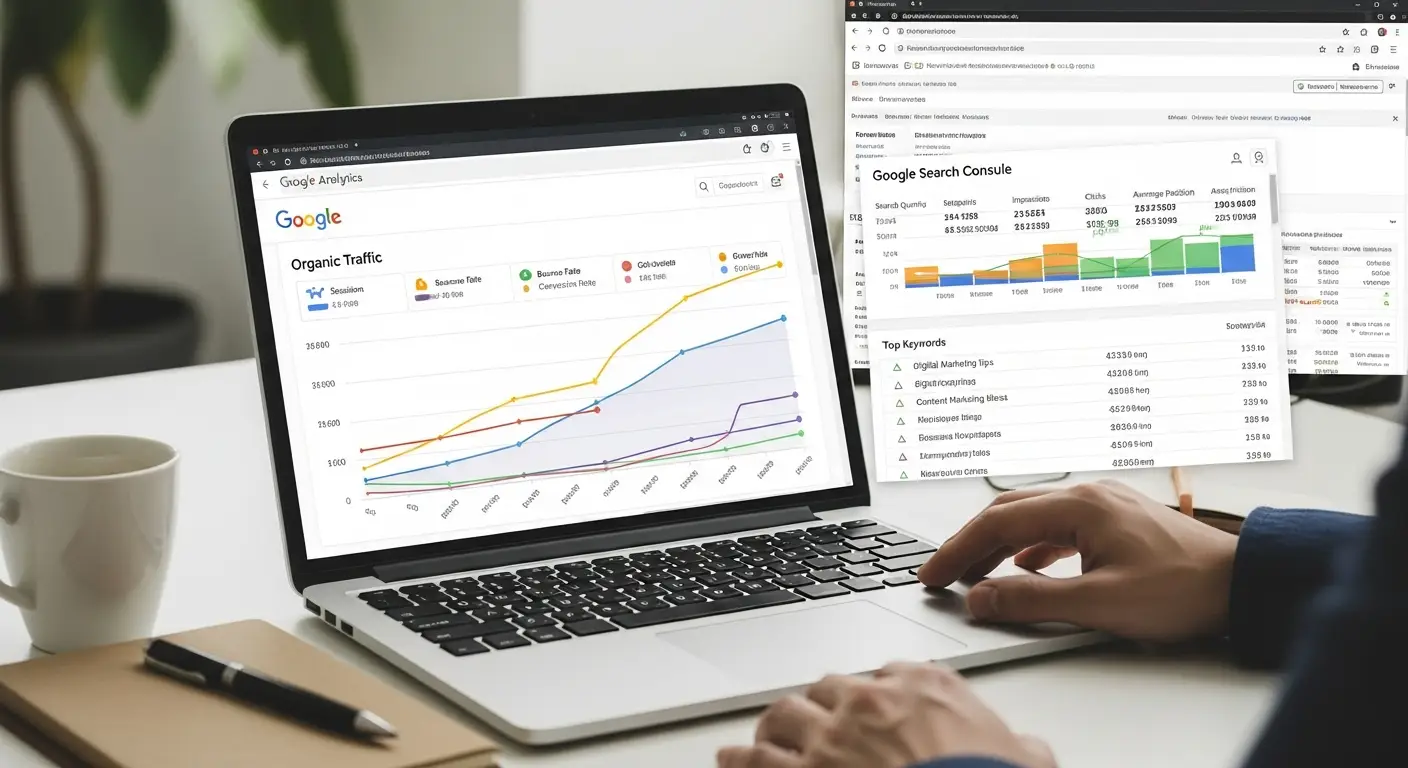
Track featured snippet wins and “People also ask” appearances in Google Search Console and your rank tracker. Periodically ask the major assistants your target questions and note whether your brand is cited. Watch branded search and direct traffic, which often rise when AI mentions increase.
Consistent monitoring helps you understand which strategies are working and where you need to improve. Use analytics tools to gauge traffic changes and engagement levels, and adjust your approach based on these insights.
Where to start
Pick your five highest-value service pages, add an answer-first summary and an FAQ to each, mark them up with schema and tighten internal links. That alone moves most sites forward. If you want a team to do this end to end, see our SEO and AEO services or ask for a free audit.
Starting with your most important pages ensures that your initial efforts have the greatest impact. As you see results, expand these practices to other parts of your site for comprehensive optimization.
FAQs
Is AEO replacing SEO?
No. AEO builds on SEO. You still need a technically sound, authoritative site; AEO adds answer-focused structure on top.
Does schema markup guarantee AI citations?
No. Schema helps machines understand your content, but quality, relevance and trust decide whether you are cited.
How long does AEO take to work?
Structured-data and content changes can be picked up within weeks, though consistent gains usually build over a few months.
Can small businesses benefit from AEO?
Yes, small businesses can significantly benefit from AEO by increasing their online visibility and credibility, potentially leveling the playing field with larger competitors.
What tools can assist in implementing AEO?
Tools like Google Search Console, SEMrush, and various schema markup generators can aid in implementing and tracking AEO efforts.
Ready to enhance your online visibility with AEO? Contact us today to learn how our expert services can help you become the go-to answer in your industry.